

There’s nothing better than a warm, cheesy homemade lasagna fresh out of the oven. This healthy high protein vegetarian lasagna is layered with rich marinara sauce, creamy homemade white sauce, sautéed vegetables, and loads of melted cheese for the perfect comfort food dinner.
What makes this veggie lasagna extra special is that everything is made from scratch – including the lasagna sheets. The homemade pasta gives the lasagna a softer texture and richer flavor that honestly tastes better than most restaurant versions.
Unlike traditional vegetarian lasagna recipes that use ricotta cheese, this version uses mozzarella and processed cheese for a creamier, more familiar homemade flavor that’s simple, budget-friendly, and incredibly satisfying.
Whether you’re making this for a cozy family dinner, meal prep, or a special weekend meal, this homemade vegetarian lasagna recipe is guaranteed to become a favorite.
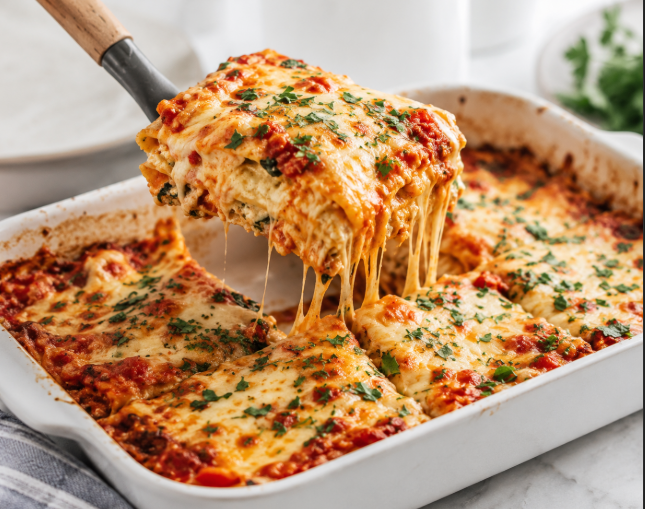
Why You’ll Love This Recipe
- Loaded with fresh vegetables
- Creamy, cheesy, and comforting
- Made completely from scratch
- Great for family dinners
- Perfect make-ahead meal
- High protein and filling
- No ricotta cheese needed
- Can be made in an oven or cooker
What You’ll Need to Make This Vegetarian Lasagna
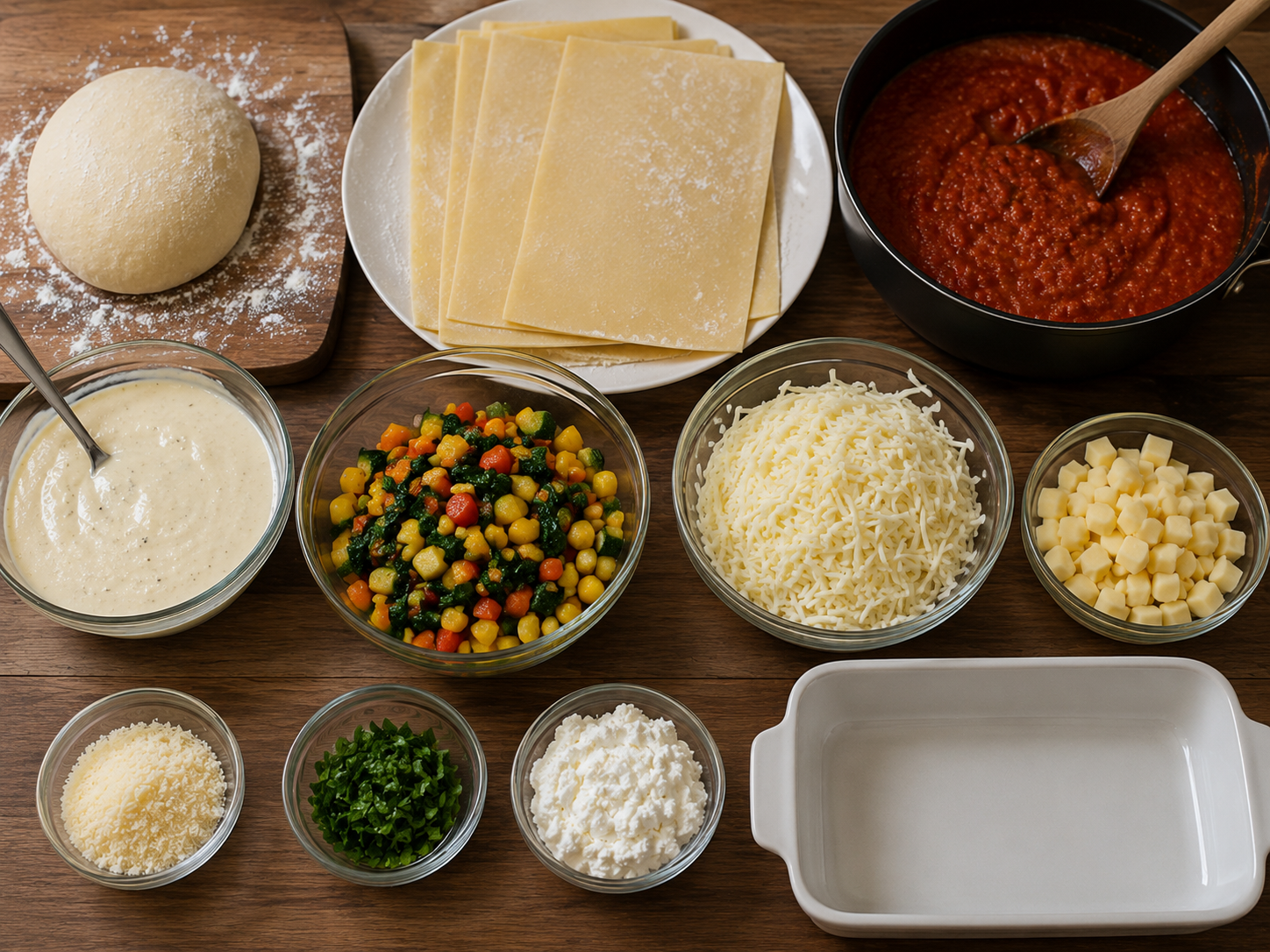
Ingredients
Vegetables
- Zucchini – Adds softness and soaks up all the flavor from the sauces.
- Red, yellow, green bell peppers – Bring color, sweetness, and crunch.
- Carrot – Adds slight natural sweetness and texture.
- Spinach – Gives a healthy, earthy layer and soft texture.
- Sweet corn – Adds a little bite and sweetness that balances the sauce.
Marinara Sauce Base
- Tomatoes (or tomato puree) – The base of the entire sauce and flavor structure.
- Onion – Adds depth and slight sweetness once cooked down.
- Garlic paste – Gives that classic Italian-style aroma and richness.
- Ketchup – Adds slight sweetness and helps balance acidity.
- Olive oil – Helps everything cook smoothly and enhances flavor.
- Basil leaves – Adds freshness at the end for that restaurant-style finish.
- Oregano, salt, black pepper – The core seasoning that brings everything together.
White Sauce (Béchamel)
- Butter – Creates richness and forms the base of the sauce.
- All-purpose flour – Thickens the sauce and gives it structure.
- Milk – Makes the sauce creamy and smooth.
- Salt – Enhances overall flavor.
- Nutmeg – Adds a subtle warm, slightly nutty flavor that makes the sauce taste “restaurant-style.”
Homemade Lasagna Sheets
- All-purpose flour – The base for your pasta dough.
- Salt – Adds basic seasoning to the dough.
- Water – Brings everything together into a workable dough.
Cheese Layer
- Mozzarella cheese – Gives the classic stretchy, gooey lasagna texture.
- Processed cheese – Makes the vegetarian lasagna extra creamy and rich.
- Parmesan cheese (optional) – Adds a sharp, salty depth if you want extra flavor.
For Cooking
- Olive oil or any cooking oil – Used for sautéing vegetables and building sauces.
- Butter – Essential for the white sauce and richness.
How to Make Vegetarian Lasagna
This vegetarian lasagna comes together in four main components – sautéed vegetables, marinara sauce, white sauce, and homemade lasagna sheets. Each layer is simple on its own, but when combined, they create a rich, cheesy, high protein vegetarian lasagna that feels deeply comforting and restaurant-style at home.
The key is to prepare each element properly so the final bake has balanced flavor, creamy texture, and clean layers.
Sautéed Vegetables
The vegetable layer is what gives this lasagna its freshness, texture, and balance against the rich sauces. Start by heating a small amount of olive oil in a pan on low flame. Add your finely chopped vegetables – zucchini, bell peppers, carrot, sweet corn, and spinach – and gently sauté them for just 1-2 minutes.
Season with oregano, salt, black pepper, and a small pinch of sugar, which helps balance the acidity from the tomato sauce later. The goal here is not to fully cook the vegetables but to lightly soften them while keeping a slight crunch. This ensures they hold their texture even after baking. Once done, set them aside.
Marinara Sauce
The marinara sauce forms the bold, tangy base of the lasagna. Begin by blending fresh tomatoes into a smooth puree, or use canned tomato puree for convenience. In a pan, heat olive oil and sauté finely chopped onions and garlic paste until soft and aromatic.
Add the tomato puree along with ketchup, salt, oregano, and black pepper, then let it simmer on medium flame for about 10 minutes with the lid on. This slow cooking helps the sauce thicken and deepen in flavor. Finally, add fresh basil leaves, which bring a light, herby freshness and complete the sauce. Turn off the heat once it reaches a rich, slightly thick consistency.
White Sauce (Béchamel)
The white sauce adds creaminess and richness, balancing the acidity of the marinara. Start by melting butter in a pan on low heat, then add all-purpose flour and whisk continuously for about a minute until it forms a smooth paste.
Slowly pour in milk while whisking constantly to avoid lumps and create a silky texture. Let it cook until the sauce thickens slightly and coats the back of a spoon. Season with salt and a small pinch of nutmeg, which adds a subtle warm depth and classic restaurant-style flavor. Once smooth and creamy, remove it from heat.
Homemade Lasagna Sheets
One of the highlights of this recipe is the homemade lasagna sheets, which give the dish a softer and more authentic texture. To make the dough, combine all-purpose flour, salt, and water, and knead it into a semi-stiff dough.
Let it rest for 15 minutes, then knead again until smooth and elastic. After another 30-minute rest, roll the dough into very thin sheets, as thinner sheets ensure the lasagna stays soft and layered after baking. Cut them to fit your baking dish. These fresh sheets absorb flavor beautifully and elevate the entire dish.
Baking the Lasagna
Once all your components are ready – especially your freshly rolled homemade lasagna sheets – the baking stage is where everything transforms into a rich, layered, bubbling dish.
Preheat your oven to:
180∘C=350∘F
Place the assembled lasagna in the preheated oven and bake for 35-40 minutes.
During baking, the heat allows the marinara sauce to deepen in flavor, the white sauce to turn creamy and cohesive, and the cheese to melt into a golden, slightly crisp top layer. The homemade lasagna sheets also soften further, absorbing all the surrounding sauces and locking in flavor between each layer.
You’ll know it’s perfectly baked when:
- the top is golden brown and slightly crisp
- the sides are bubbling with sauce
- the cheese is fully melted and evenly spread
Resting After Baking (Do Not Skip This)
Once out of the oven, let the lasagna rest for 5-10 minutes before slicing.
This resting period is crucial because it allows the layers to set firmly, ensuring clean slices instead of a runny or collapsed structure.
Tips for the Perfect Vegetarian Lasagna
- Keep vegetables slightly crunchy – don’t overcook them during sautéing since they’ll soften further while baking.
- Cook sauces to the right consistency – marinara should be thick, not watery; white sauce should coat the spoon lightly.
- Roll lasagna sheets as thin as possible – thinner sheets = softer, more layered final texture.
- Let the dough rest properly – resting makes the sheets easier to roll and prevents tearing.
- Don’t skip the resting after baking – 10-15 minutes is essential for clean, structured slices.
- Layer evenly, not heavily – too much filling in one layer can make the lasagna unstable.
- Use a mix of mozzarella & processed cheese – gives both stretch and creamy richness.
- Add cheese only on top & between layers – this ensures melt without overpowering the sauces.
- Season every layer lightly – balanced seasoning across components creates deeper overall flavor.
- Bake until bubbling, not just golden – bubbling edges are the real sign the lasagna is fully cooked.
Common Mistakes to Avoid
- Overcooking the vegetables – If they turn too soft during sautéing, they lose texture and become mushy after baking.
- Using watery sauces – Thin marinara or white sauce can make the lasagna runny and prevent proper layering.
- Skipping seasoning in layers – If only one component is seasoned, the final dish will taste flat and unbalanced.
- Rolling lasagna sheets too thick – Thick sheets don’t cook evenly and make the lasagna feel heavy.
- Not resting the dough enough – Under-rested dough becomes elastic and difficult to roll thin.
- Overloading each layer – Too much filling causes the lasagna to collapse when sliced.
- Skipping preheating – Baking in a cold oven leads to uneven cooking and under-melted cheese.
- Cutting immediately after baking – This is the most common mistake & it ruins the structure of the layers.
- Using too little sauce – Dry lasagna layers are usually the result of under-saucing, not overbaking.
- Uneven layering – If layers are inconsistent, some parts overcook while others stay undercooked.
Frequently Asked Questions
Can I use store-bought lasagna sheets instead of homemade?
Yes, absolutely. Store-bought lasagna sheets work well and save time. Just make sure to adjust cooking time slightly if the package mentions pre-boiling or oven-ready sheets.
Can I skip making white sauce?
You can, but it will change the texture significantly. The white sauce adds creaminess and balance to the tangy marinara, so skipping it will make the lasagna more dry and less rich.
Is processed cheese necessary?
No, but it’s recommended in this version because it gives a creamier, more budget-friendly melt. You can replace it fully with mozzarella if you prefer a cleaner cheese flavor.
Can I make this vegetarian lasagna ahead of time?
Yes. You can fully assemble the lasagna and refrigerate it for up to 24 hours before baking. This actually enhances flavor as the sauces settle into the layers.
How long does vegetarian lasagna last in the fridge?
It stays good for about 3-4 days when stored in an airtight container. Reheat in an oven or covered pan for best texture.
Can I freeze this lasagna?
Yes. You can freeze it either before baking or after baking. It keeps well for up to 3-5 days. For best results, thaw overnight in the fridge before reheating.
Final Thoughts
This vegetarian lasagna is honestly one of those meals that just feels like effort in the best possible way. It’s warm, cheesy, layered, and comforting in a way that makes a regular dinner feel a little more special than usual.
What I really like about this recipe is how customizable it is. You can switch up the vegetables based on what you have, adjust the cheese depending on how rich you want it, or even simplify it with store-bought sheets when you’re short on time. And once you realize how easy it is to build everything from scratch – from the sauces to the lasagna sheets – it becomes one of those recipes you keep coming back to.
If you enjoyed this recipe, you might also like my Healthy High Protein Acai Bowl Recipe (Ready in 10 Minutes) for a lighter, refreshing breakfast, or the 5-Minute Creamy Overnight Oats with Fruits & Nuts when you want something quick and filling in the morning. And if you’re in the mood for something savory but still simple, the One-Pan Creamy Garlic Veg Pasta (Easy 30-Min Recipe) is another easy comfort meal that comes together in no time.
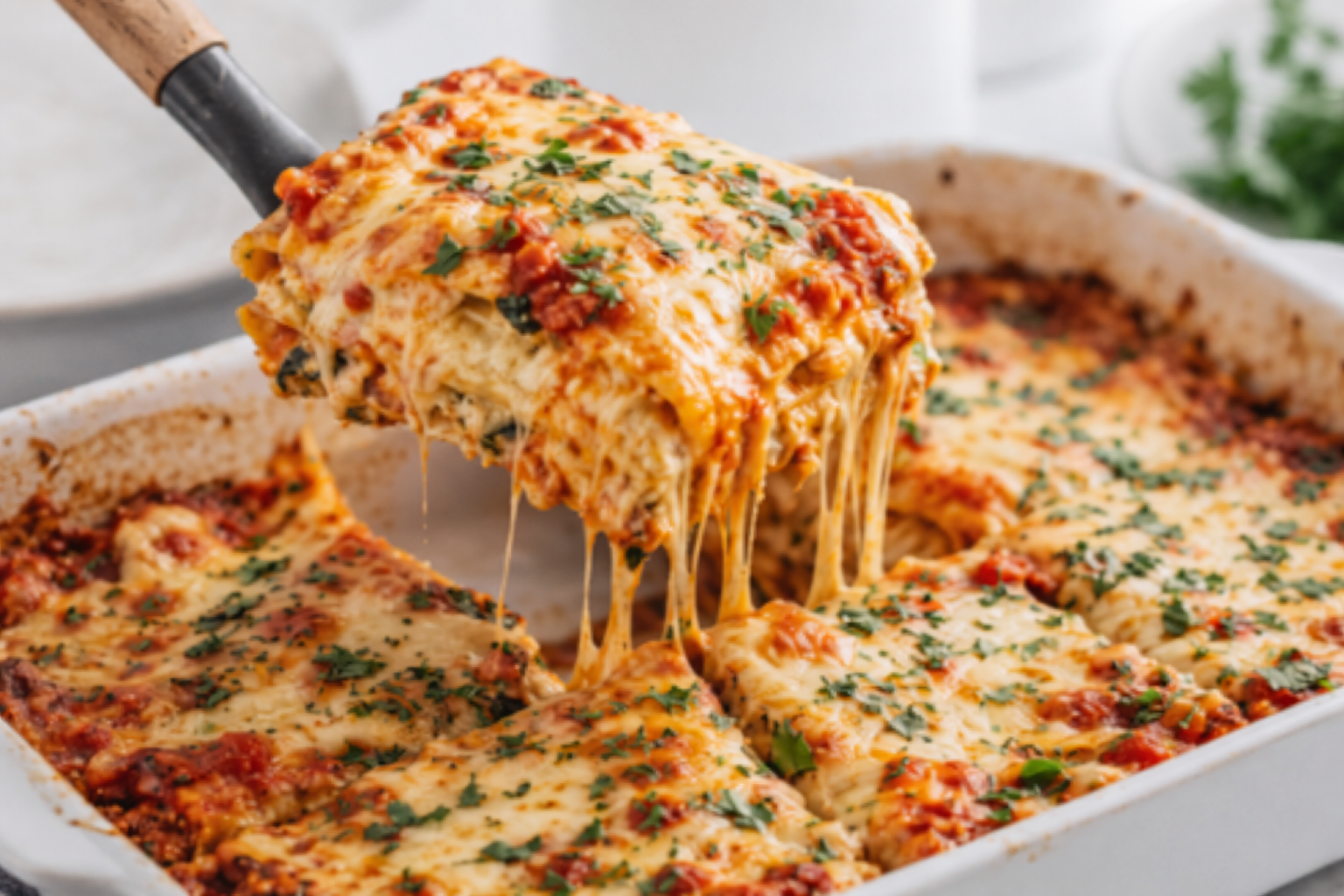
Best Homemade Vegetarian Lasagna Recipe from Scratch
Ingredients
Method
- Heat olive oil in a pan on low flame. Add zucchini, bell peppers, carrot, spinach, and sweet corn. Season with oregano, salt, black pepper, and a small pinch of sugar. Sauté lightly for 1-2 minutes until slightly softened but still crunchy. Set aside.
- Heat olive oil in a pan and sauté onions and garlic paste until aromatic. Add tomato puree, ketchup, oregano, black pepper, and salt. Cover and cook on medium heat for about 10 minutes until slightly thick. Add basil leaves at the end and mix well.
- Melt butter in a pan on low heat. Add flour and whisk continuously for about 1 minute. Slowly pour in milk while whisking to avoid lumps. Cook until the sauce thickens slightly. Add salt and a pinch of grated nutmeg.
- Combine flour and salt in a bowl. Add water gradually and knead into a semi-stiff dough. Rest for 15 minutes, knead again until smooth, then rest for another 30 minutes. Roll into very thin sheets and cut according to your baking dish size.
- Grease the baking dish lightly with butter or oil. Spread a thin layer of marinara sauce at the bottom. Add lasagna sheets, marinara sauce, sautéed vegetables, white sauce, and cheese. Repeat the layers 3-4 times. Finish with extra cheese on top.
- Preheat oven to 180°C / 350°F. Bake for 35-40 minutes until the top is golden and bubbling. Let the lasagna rest for 5-10 minutes before slicing.
Notes
- Roll the lasagna sheets as thin as possible for softer layers.
- Slightly crunchy vegetables work best because they continue cooking while baking.
- Letting the lasagna rest after baking helps create cleaner slices.
- You can use store-bought lasagna sheets if short on time.
- This recipe can also be cooked in a large cooker instead of an oven.
